Workspace Productivity
by Admin
Posted on 17-05-2025 09:53 PM
Understanding Workspace Productivity
Understanding the concept of workspace productivity is the first step towards creating an environment that fosters efficiency and effectiveness. It encompasses not only the physical layout of your workspace but also the tools, software, and habits that you use on a daily basis. A productive workspace is one that is tailored to meet the specific needs of the user, minimizing distractions and maximizing the potential for focused work. This can be achieved through a combination of ergonomic design, smart technology integration, and disciplined work habits.
Strategies for Enhancing Productivity
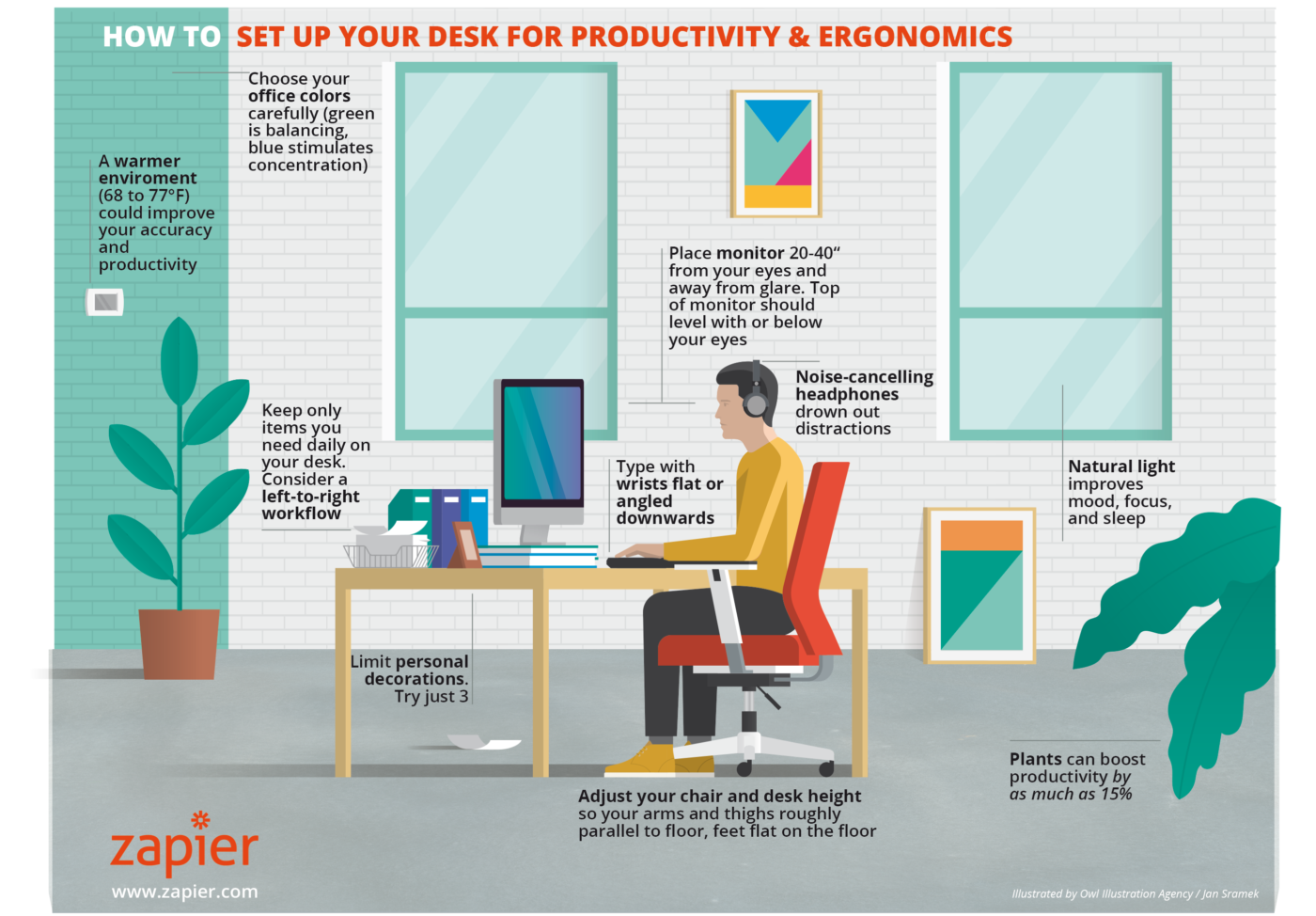
Enhancing workspace productivity involves a multi-faceted approach that includes both physical and psychological elements. Physically, this can involve setting up your workspace in a way that promotes comfort and reduces eye strain and musculoskeletal disorders. This might include using an ergonomic chair, positioning your computer monitor at the right height, and ensuring good lighting. Psychologically, strategies might include implementing time management techniques, such as the Pomodoro Technique, which involves working in focused, 25-minute increments, followed by a five-minute break.

The Role of Technology
Technology plays a significant role in modern workspace productivity. The right software and tools can automate repetitive tasks, enhance collaboration, and provide insights into work patterns and productivity levels. For instance, project management tools can help in organizing tasks, setting deadlines, and tracking progress. Similarly, communication platforms can facilitate seamless interaction among team members, reducing the need for lengthy meetings and emails. To create a more streamlined and organized workspace, consider implementing a setup like https://tidyworkspacelab.com/wireless-desk-setup. However, it's also important to be mindful of technology-induced distractions, such as social media and non-essential notifications, and to use tools that help in minimizing these distractions.
Creating a Conducive Work Environment
A conducive work environment is essential for maintaining high levels of productivity. This includes not only the physical aspects of the workspace but also the cultural and social environment. For example, a workspace that encourages open communication, recognizes achievements, and supports work-life balance can significantly boost employee morale and motivation. Additionally, incorporating elements of nature, such as plants or a view, can enhance well-being and creativity. The temperature, noise level, and seating arrangement also play crucial roles in creating an environment that is conducive to focused work.
Overcoming Common Productivity Barriers
Despite the best intentions, various barriers can hinder workspace productivity. One of the most common barriers is procrastination, which can stem from fear of failure, perfectionism, or simply a lack of clear goals. Another significant barrier is multitasking, which, although it may seem like an efficient way to get more done, can actually decrease productivity and increase stress levels. Effective time management, clear prioritization of tasks, and avoiding multitasking can help in overcoming these barriers. Furthermore, recognizing the signs of burnout, such as chronic fatigue and decreased motivation, and taking proactive steps to manage stress, such as through meditation or exercise, is crucial for sustained productivity.
The Impact of Workspace Productivity on Well-being
The impact of workspace productivity on overall well-being cannot be overstated. A productive workspace not only enhances professional performance but also contributes to better mental and physical health. When work is managed efficiently, it leaves room for personal pursuits and relaxation, leading to a healthier work-life balance. Moreover, the sense of accomplishment that comes from a productive day can boost self-esteem and reduce stress, contributing to overall well-being. In contrast, a disorganized and unproductive work environment can lead to increased stress levels, decreased job satisfaction, and a higher risk of burnout.
Implementing Productivity Systems
Implementing a productivity system that works for you is key to maintaining a productive workspace. This might involve setting clear goals, both short-term and long-term, and breaking them down into manageable tasks. It also includes leveraging productivity tools and apps that fit your work style, whether it's a task list, a calendar, or a focus-enhancing app. Regularly reviewing and adjusting your productivity system is also essential, as work needs and personal habits can change over time. This flexibility ensures that your workspace remains optimized for productivity.
Conclusion and Future Directions
In conclusion, workspace productivity is a multifaceted concept that requires careful consideration of physical, psychological, and technological factors. By understanding the principles of workspace productivity and implementing strategies tailored to individual needs, professionals can significantly enhance their work performance, contribute to their overall well-being, and achieve a better balance between work and personal life. As work environments continue to evolve, with trends such as remote work and virtual offices becoming more prevalent, the importance of personalized and adaptive productivity strategies will only continue to grow.
FAQs
What are the key elements of a productive workspace?
A productive workspace includes an ergonomic physical setup, the right technology and tools, minimal distractions, and a culture that supports work-life balance and open communication.
How can I minimize distractions in my workspace?
Minimizing distractions involves identifying potential distractions, such as social media or chatty coworkers, and using strategies or tools to mitigate them, such as website blockers or noise-cancelling headphones.
What role does technology play in workspace productivity?
Technology can significantly enhance workspace productivity by automating tasks, facilitating collaboration, and providing insights into work patterns. However, it's crucial to use technology mindfully to avoid distractions.
How can I maintain productivity while working remotely?
Maintaining productivity while working remotely requires discipline, a dedicated workspace, and the use of technology to stay connected with the team and manage tasks effectively. Setting clear boundaries with family and friends is also essential.
What are the signs of burnout, and how can it be managed?
Signs of burnout include chronic fatigue, decreased motivation, and reduced performance. Burnout can be managed by recognizing its signs early, taking regular breaks, prioritizing self-care, and seeking support when needed.