Home Office Layout
by Admin
Posted on 17-05-2025 09:53 PM
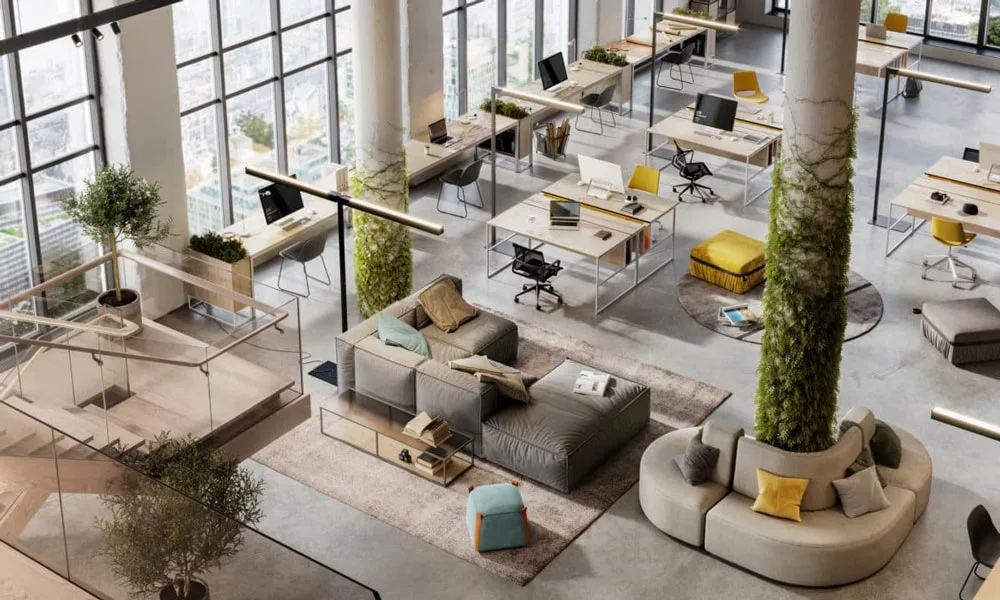
Importance of Ergonomics
Ergonomics plays a crucial role in home office layout design. A workspace that is set up with ergonomics in mind can help prevent discomfort, injury, and eye strain. When designing your home office layout, consider the height and position of your chair, desk, and monitor. Your chair should be adjustable, and your feet should be flat on the floor or on a footrest. Your monitor should be at a comfortable distance, and your keyboard and mouse should be positioned to avoid straining your wrists.
Choosing the Right Furniture
Choosing the right furniture is vital for a functional and comfortable home office layout. Consider the type of work you'll be doing and the equipment you'll need. A desk with built-in storage can help keep your workspace organized, while a comfortable chair can provide support and reduce fatigue. Consider investing in a standing desk or a sit-stand workstation to alternate between sitting and standing throughout the day.
Desk Options
When choosing a desk, consider the size and shape of the room, as well as your personal preferences. A corner desk can be a great option for small rooms, while a large, rectangular desk can provide ample workspace for multiple projects. Consider the material and finish of the desk, as well as any built-in features such as cable management or storage.
Chair Options
A comfortable and ergonomic chair is essential for a home office layout. Consider a chair with adjustable height, lumbar support, and a breathable fabric. Look for a chair with a sturdy base and a comfortable cushion, and consider investing in a chair with built-in features such as a headrest or armrests.

Lighting and Color
Lighting and color can greatly impact the ambiance and productivity of your home office layout. Natural light is ideal, but if this isn't possible, consider investing in a high-quality light fixture. Avoid harsh overhead lighting, and opt for table lamps or floor lamps instead. When it comes to color, choose a palette that inspires and energizes you. Consider a calming color such as blue or green, or a bold color such as red or orange to stimulate creativity.
Technology and Equipment
When designing your home office layout, consider the technology and equipment you'll need. Invest in a reliable computer and printer, and consider a scanner or fax machine if necessary. Consider investing in a noise-cancelling headset or a high-quality speaker system for video conferencing or online meetings. Don't forget to invest in a comfortable and ergonomic keyboard and mouse, and consider a document holder or paper tray to keep your workspace organized.
Cable Management
Cable management is essential for a clutter-free and organized home office layout. Consider investing in a cable organizer or a cord concealer to keep your cords and cables tidy. Label your cords and cables to ensure you can easily identify which one goes where, and consider investing in a backup power source or a surge protector to protect your equipment.
Storage and Organization
Storage and organization are crucial for a functional and comfortable home office layout. Consider investing in a file cabinet or a bookshelf to keep your documents and books organized. Use a desk organizer or a tray to keep your workspace tidy, and consider investing in a whiteboard or a bulletin board to keep track of notes and reminders.
Personalization and Decor
Personalization and decor can make your home office layout feel more welcoming and inspiring. Consider adding plants, artwork, or photographs to create a comfortable and inviting atmosphere. Invest in a comfortable and ergonomic rug, and consider adding a few decorative items such as a vase or a sculpture to add visual interest.
Conclusion
Creating a functional and comfortable home office layout requires careful consideration of ergonomics, furniture, lighting, technology, storage, and personalization. By following these tips and considering your individual needs and preferences, you can create a home office layout that inspires productivity, creativity, and success.
Creating an efficient and beautiful workspace is crucial, whether you're working from home or in a traditional office setting, considering a well-planned Home Office Layout can make all the difference in productivity and overall job satisfaction.
FAQs
What is the ideal desk height for a home office layout?
The ideal desk height for a home office layout is between 29 and 30 inches, depending on your height and personal preferences.
How can I reduce clutter in my home office layout?
To reduce clutter in your home office layout, consider investing in a file cabinet or a bookshelf, and use a desk organizer or a tray to keep your workspace tidy.
What type of lighting is best for a home office layout?
Natural light is ideal, but if this isn't possible, consider investing in a high-quality light fixture such as a table lamp or a floor lamp.
How can I personalize my home office layout?
To personalize your home office layout, consider adding plants, artwork, or photographs, and invest in a comfortable and ergonomic rug and a few decorative items such as a vase or a sculpture.
What are the benefits of a standing desk in a home office layout?
A standing desk can help reduce fatigue, improve posture, and increase productivity, and can be a great option for those who spend long hours working at a computer.