Office Layout Ideas
by Admin
Posted on 17-05-2025 09:53 PM
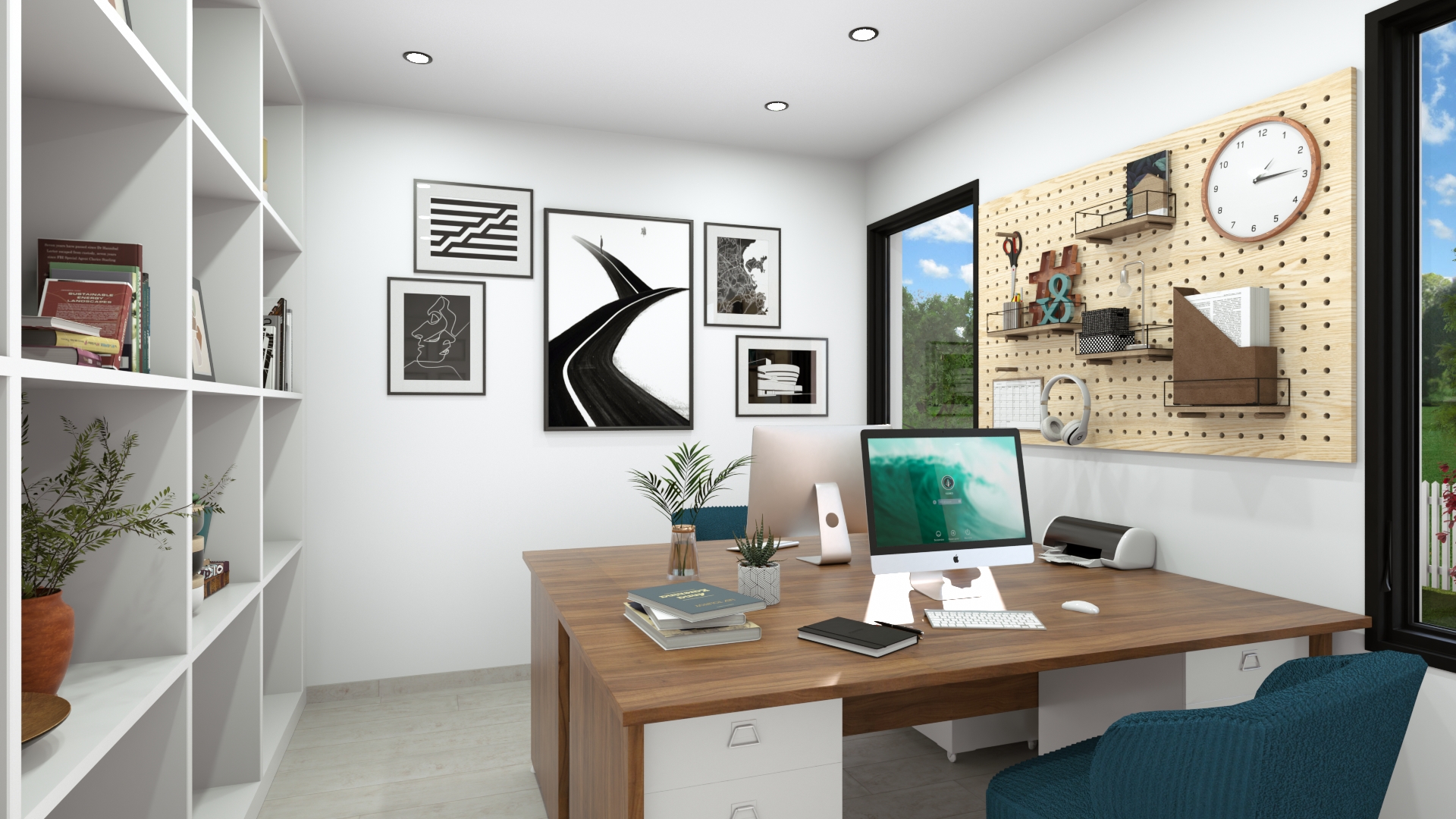
Understanding Office Layout Types
There are several types of office layouts, each with its unique characteristics and advantages. The most common types include traditional, open-plan, cubicle, and hybrid layouts. Traditional layouts feature private offices and meeting rooms, while open-plan layouts have an open space with minimal partitions. Cubicle layouts, on the other hand, feature workstations with partitions, providing a balance between privacy and collaboration. Hybrid layouts combine elements of different layouts to create a customized space that suits the specific needs of the organization.
Designing for Productivity
A productive office layout is one that promotes focus, collaboration, and creativity. To achieve this, consider the following design elements: - Natural Light: Incorporate natural light into the office space by placing workstations near windows or using skylights. - Ergonomic Furniture: Provide ergonomic chairs, desks, and equipment to ensure employee comfort and reduce the risk of injury. - Noise Reduction: Use sound-absorbing materials, white noise machines, or noise-cancelling headphones to minimize distractions and create a quiet work environment. - Flexible Workspaces: Incorporate flexible workspaces, such as standing desks, breakout rooms, and collaborative areas, to accommodate different work styles and needs.
Creating a Collaborative Environment
Collaboration is essential in today's fast-paced business world. To foster collaboration, consider the following office layout ideas:
Open-Plan Offices
Open-plan offices feature an open space with minimal partitions, promoting collaboration and communication among team members. This layout is ideal for creative teams, startups, and organizations that value transparency and open communication.
Breakout Rooms
Breakout rooms provide a private space for team members to collaborate, brainstorm, and work on projects. These rooms can be equipped with whiteboards, screens, and other collaboration tools to facilitate idea generation and problem-solving.
Collaborative Workspaces
Collaborative workspaces, such as co-working spaces or shared offices, provide a shared environment for entrepreneurs, freelancers, and remote workers. These spaces often feature amenities like high-speed internet, printing and copying services, and networking events.
Incorporating Wellness and Sustainability
Wellness and sustainability are increasingly important considerations in office design. To promote employee well-being and reduce the organization's environmental footprint, consider the following office layout ideas: - Green Spaces: Incorporate plants, green walls, or living roofs into the office space to purify the air, reduce stress, and promote a sense of well-being. - Sustainable Materials: Use sustainable materials, such as reclaimed wood, bamboo, or low-VOC paints, to reduce the environmental impact of the office design. - Wellness Rooms: Provide wellness rooms or quiet spaces for employees to meditate, practice yoga, or take a break from the demands of work.
Technology Integration
Technology plays a vital role in modern office design. To create a seamless and efficient work environment, consider the following technology integration ideas: - Wireless Connectivity: Provide wireless connectivity throughout the office space to enable employees to work from anywhere. - Smart Lighting: Install smart lighting systems that adjust to natural light levels, occupancy, and time of day to reduce energy consumption and promote a comfortable work environment. - Virtual Whiteboards: Use virtual whiteboards or digital collaboration tools to facilitate remote collaboration and idea generation.
Acoustic Considerations
Acoustics are often overlooked in office design, but they play a crucial role in creating a productive and comfortable work environment. When exploring different Office Layout Ideas, consider the following acoustic considerations to minimize distractions and reduce noise levels: - Sound-Absorbing Materials: Use sound-absorbing materials, such as acoustic panels or sound-absorbing ceilings, to reduce echo and minimize distractions. - Noise-Cancelling Headphones: Provide noise-cancelling headphones or quiet spaces for employees to focus and concentrate. - Background Noise: Use background noise or white noise machines to create a consistent and calming atmosphere.
Budgeting and Planning
Budgeting and planning are essential steps in creating an effective office layout. To ensure a successful design, consider the following budgeting and planning strategies: - Assess Your Needs: Assess your organization's needs, including the number of employees, work styles, and equipment requirements. - Set a Budget: Set a budget and prioritize your spending based on your organization's needs and goals. - Consult with Experts: Consult with architects, designers, or facilities managers to ensure that your office layout meets your organization's needs and complies with local building codes and regulations.
Conclusion
Creating an effective office layout requires careful consideration of various factors, including productivity, collaboration, wellness, sustainability, technology, and acoustics. By understanding the different types of office layouts and incorporating design elements that promote focus, collaboration, and creativity, organizations can create a workspace that supports the well-being and success of their employees.
FAQs
What is the most effective office layout for promoting collaboration?
The most effective office layout for promoting collaboration is often an open-plan layout, which features an open space with minimal partitions. This layout encourages communication and idea-sharing among team members.
How can I reduce noise levels in an open-plan office?
To reduce noise levels in an open-plan office, consider using sound-absorbing materials, noise-cancelling headphones, or background noise machines.
What are the benefits of incorporating green spaces into an office design?
Incorporating green spaces into an office design can purify the air, reduce stress, and promote a sense of well-being among employees.
How can I ensure that my office layout is sustainable and environmentally friendly?
To ensure that your office layout is sustainable and environmentally friendly, consider using sustainable materials, reducing energy consumption, and incorporating green spaces into your design.
What is the importance of acoustic considerations in office design?
Acoustic considerations are crucial in office design, as they can greatly impact the productivity and comfort of employees. Minimizing distractions and reducing noise levels can help create a focus-friendly work environment.